


Are alarmingly many hairs landing in your brush every day?
Your skin is struggling with stubborn acne along the jawline. And your teenage years are long gone.
Studies show: 60-80% of women with PCOS have elevated testosterone levels. But even after stopping the pill, your hormone balance can get out of whack. Chronic stress or insulin resistance can exacerbate the problem.
The good news: With the right natural strategies, you can naturally lower testosterone levels in women. This will help you feel comfortable in your skin again.
Jump straight to the content:
What are the main causes of excess testosterone?
These symptoms indicate elevated testosterone levels
5 proven natural strategies to lower testosterone
The 3 most effective plant compounds in beauty
The essential micronutrients in beauty
Practical implementation: Your holistic approach
Measuring success and setting realistic expectations
FAQ: Frequently asked questions about excess testosterone
What are the main causes of excess testosterone?
PCOS as the most common trigger
PCOS is the most common cause of elevated testosterone levels in women. This hormonal disorder affects up to 15% of all women of childbearing age.
Due to an imbalance, the ovaries produce too many male hormones. LH (luteinizing hormone) and FSH (follicle-stimulating hormone) get out of balance.
Insulin resistance exacerbates the problem
Insulin resistance is an often overlooked but critical factor. High insulin levels stimulate testosterone production in the ovaries.
At the same time, they reduce SHBG (sex hormone-binding globulin). This means more free testosterone circulates in your body.
Post-pill syndrome
After stopping hormonal contraception, an "androgen rebound" can occur. The ovaries overproduce testosterone.
SHBG levels are still low. The hormone balance needs time to settle again.
Chronic stress
Chronic stress leads to elevated cortisol levels. These stimulate the activity of 5-alpha reductase and thus the formation of DHT.
In addition, they exacerbate insulin resistance. The sleep-wake rhythm is disrupted.
These symptoms indicate elevated testosterone levels
Skin changes as a warning sign
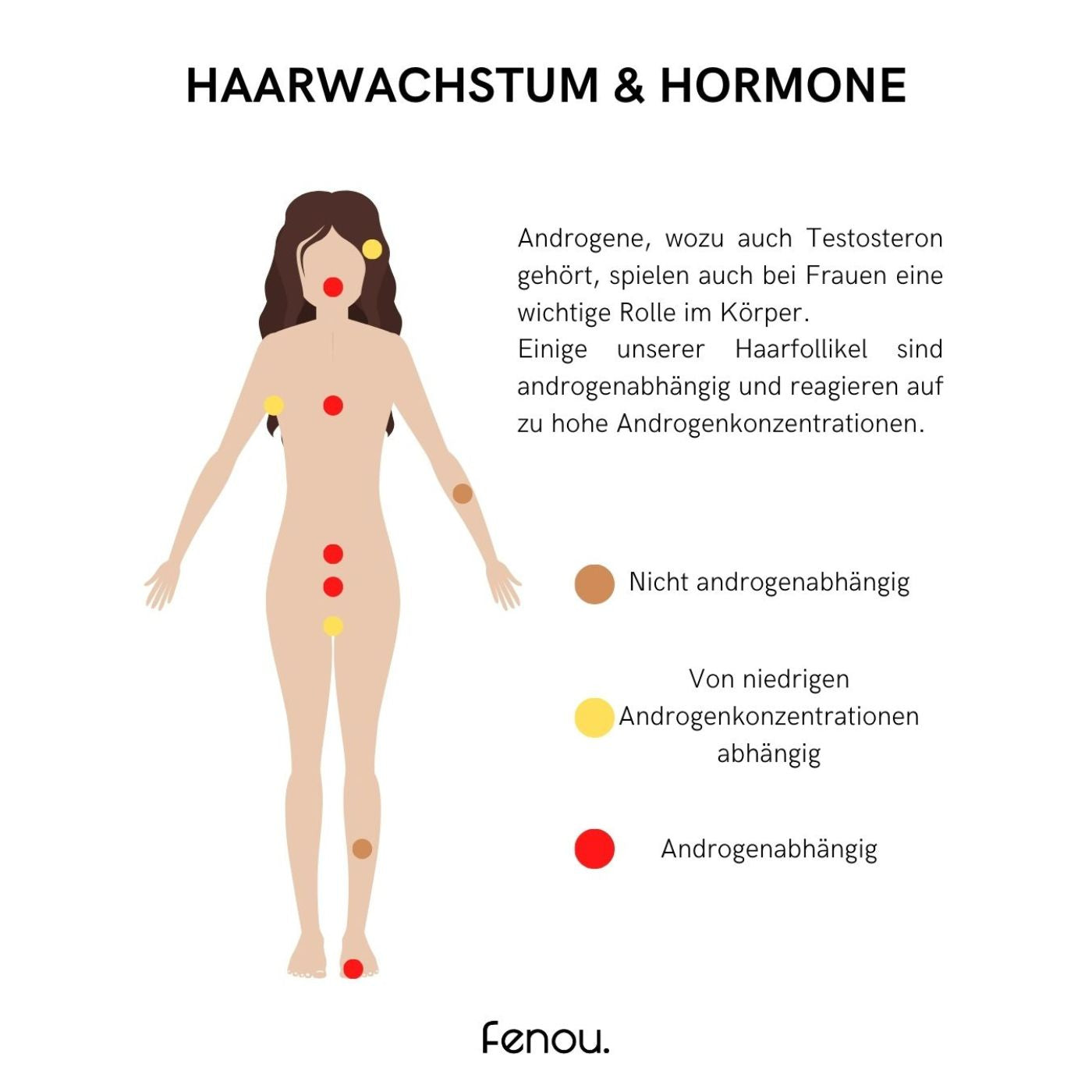
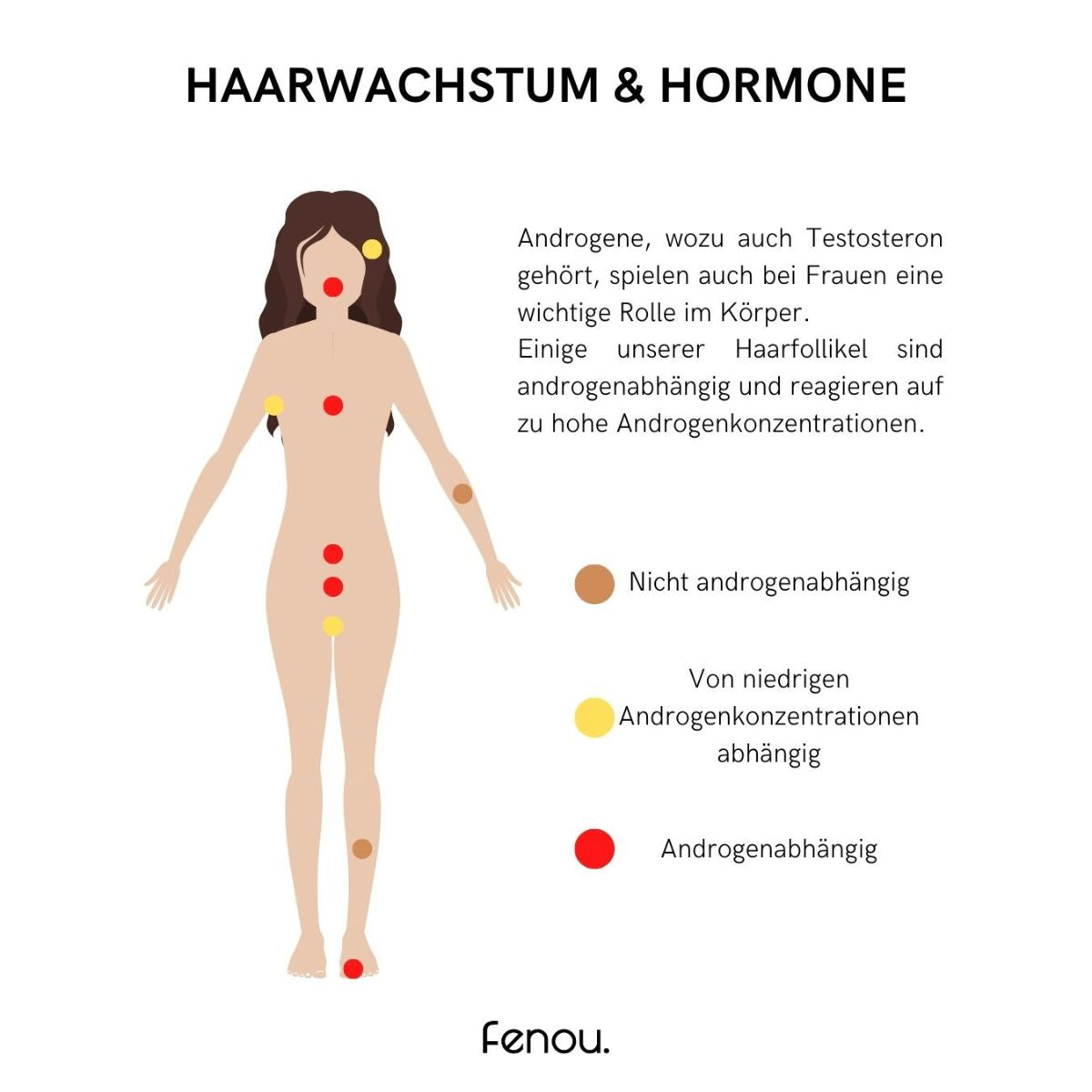
Hormonal acne is often the first warning sign. It is particularly noticeable along the jawline, on the chin and neck. These areas are typical for androgen-related skin problems.
Our customers often report oily skin. Enlarged pores in the T-zone are another sign.
Due to excess testosterone, the sebaceous glands produce more oil than normal [1]. Hirsutism - increased hair growth in atypical places - also occurs.
Recognizing hair problems
Androgenetic alopecia manifests as hair loss on the crown and part. The hair becomes thinner, especially at the temples and forehead.
The scalp gets oily faster. Hair loses volume and strength.
Other typical signs
Irregular or absent menstruation are common accompanying symptoms. Weight gain is usually concentrated on the belly.
Cravings for sweet or salty snacks increase. Mood swings and irritability increase.
5 proven natural strategies to lower testosterone
1. Blood sugar stabilization as a foundation
Stable blood sugar levels reduce insulin resistance. This indirectly also lowers testosterone levels.
Choose complex carbohydrates instead of sugar. Combine protein with healthy fats at every meal.
Maintain 12-16 hour eating breaks. Favor high-fiber foods for better blood sugar control.
2. Anti-inflammatory diet
Chronic inflammation exacerbates hormonal imbalances. An anti-inflammatory diet counteracts this.
Incorporate omega-3-rich seeds and nuts daily. Flaxseeds, walnuts, and chia seeds are ideal.
Dark leafy greens like spinach and kale provide important antioxidants. Berries, cherries, turmeric, and ginger enhance the anti-inflammatory effect.
3. Effective stress management
Chronic stress means chronically elevated cortisol. This leads to more testosterone byproducts.
Meditate for 10-20 minutes daily. The 4-7-8 breathing technique provides immediate relaxation.
Yin yoga and restorative practices calm the nervous system. Spend at least 20 minutes in nature every day.
4. Optimal sleep for hormone balance
Poor sleep disrupts the entire hormone production. Aim for 7-8 hours of sleep per night.
Maintain regular sleep times. The bedroom should be cool (16-18°C) and dark.
Avoid screen light 1-2 hours before bedtime. This supports natural melatonin production.
5. Choose the right exercise
Excessive training can increase testosterone. Moderate training, on the other hand, lowers it.
Complete 150 minutes of moderate cardio activity per week. Supplement with 2-3 gentle strength training sessions.
Yoga, Pilates, and walking are ideal. Walk 8,000-10,000 steps daily.
The 3 most effective plant compounds in beauty
Saw palmetto fruit extract - The proven 5α-reductase inhibitor
Saw palmetto is a well-known herbal remedy. It is traditionally used in men's health.
In studies, saw palmetto preparations were able to stimulate hair growth in androgen-related hair loss [2]. Its successful use in women was confirmed to us by naturopaths.
Saw palmetto fruit extract inhibits the activity of 5α-reductase. This enzyme converts testosterone into DHT. DHT is the actual cause of hair loss and acne [3].
How saw palmetto works
Saw palmetto reduces the effects of excess testosterone. It blocks the conversion into the much stronger DHT.
Our customers report less hair loss after 8-12 weeks. Skin quality improves significantly.
Nettle root powder - The triple testosterone blocker
Nettle is traditionally used in women's medicine. Classic applications are acne and oily skin. It also helps with cycle irregularities [4].
In controlled studies, nettle root was able to lower testosterone levels in women [5]. The effect works through three fascinating mechanisms.
The three mechanisms of action
First mechanism: The ingredients bind to SHBG and block it from testosterone. Free testosterone temporarily increases.
This signals the brain to throttle testosterone production [6]. Second mechanism: The binding of SHBG to target cell receptors is inhibited [7].
Third mechanism: Nettle root components inhibit 5α-reductase. This means less testosterone is converted to DHT [8].
Rosemary leaf extract - The hormone-balancing all-rounder
Rosemary extract shows impressive effects in studies. Both animal studies and clinical studies prove the benefits [9,10].
The liver-supporting, antioxidant, and anti-inflammatory effect is scientifically confirmed. Rosemary stimulates bile production [11].
Hormone-supporting properties
The normal metabolism of steroid hormones is supported. The estradiol metabolism also benefits from this.
In androgen-related hair loss, rosemary oil worked just as well as conventional medications. It stimulates hair growth and improves blood circulation in the hair follicles [12,13,14].
The essential micronutrients in beauty
Why micronutrients are important
Without vitamins and minerals, our body does not run smoothly. A deficiency can lead to metabolic processes not occurring healthily.
The healthy development of skin and hair is affected by this. Wound healing and the normal function of steroid hormones also suffer.
Zinc - The hormone regulator
Zinc is a cofactor for over 300 enzymes in hormone metabolism. It supports the healthy development of skin and hair.
The normal function of steroid hormones is promoted. Zinc also regulates sebum production and has an anti-inflammatory effect.
Pantothenic acid (Vitamin B5)
Pantothenic acid is essential for hormone production. It supports the synthesis of steroid hormones.
A deficiency can lead to increased sebum production. Skin problems are also encouraged by this.
Vitamin B6 (Pyridoxine)
Vitamin B6 regulates hormone activity at the cellular level. It contributes to the regulation of hormone activity.
The normal energy metabolism is supported. B6 is important for the formation of neurotransmitters that influence mood.
Practical implementation: Your holistic approach
Create a foundation through lifestyle
The foundation for hormonal balance is at the center. Sleep 7-8 hours daily and maintain regular times.
Eat 2-3 main meals without constant snacking. Drink at least 2 liters of water daily.
Plan 10-20 minutes of relaxation daily. Move regularly in the fresh air.
Make your diet hormone-friendly
Favor plant-based protein sources: Legumes like lentils, chickpeas, and beans are ideal. Nuts and seeds provide important nutrients.
Quinoa and buckwheat are gluten-free alternatives. Tofu and tempeh complement the protein variety.
Fiber for hormone excretion
Cruciferous vegetables like broccoli and cauliflower support hormone balance. Psyllium husks or flaxseeds promote gut health.
Berries and apples provide soluble fiber. Green leafy vegetables provide important vitamins and minerals.
beauty as the optimal supplement
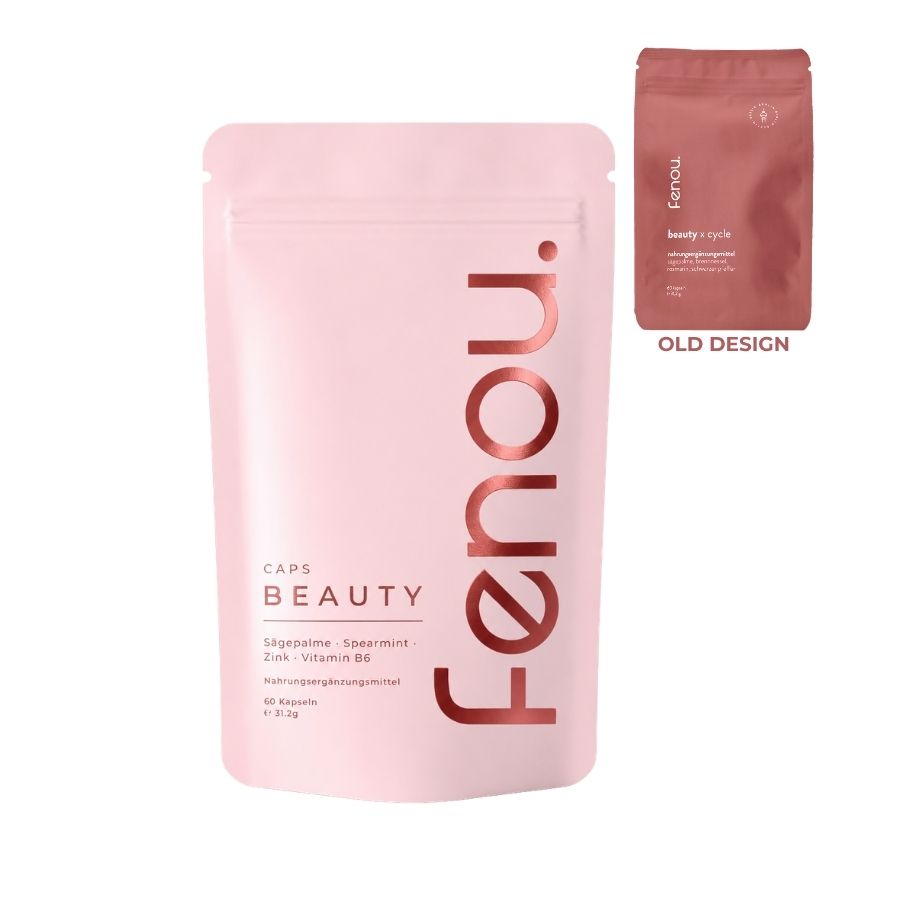
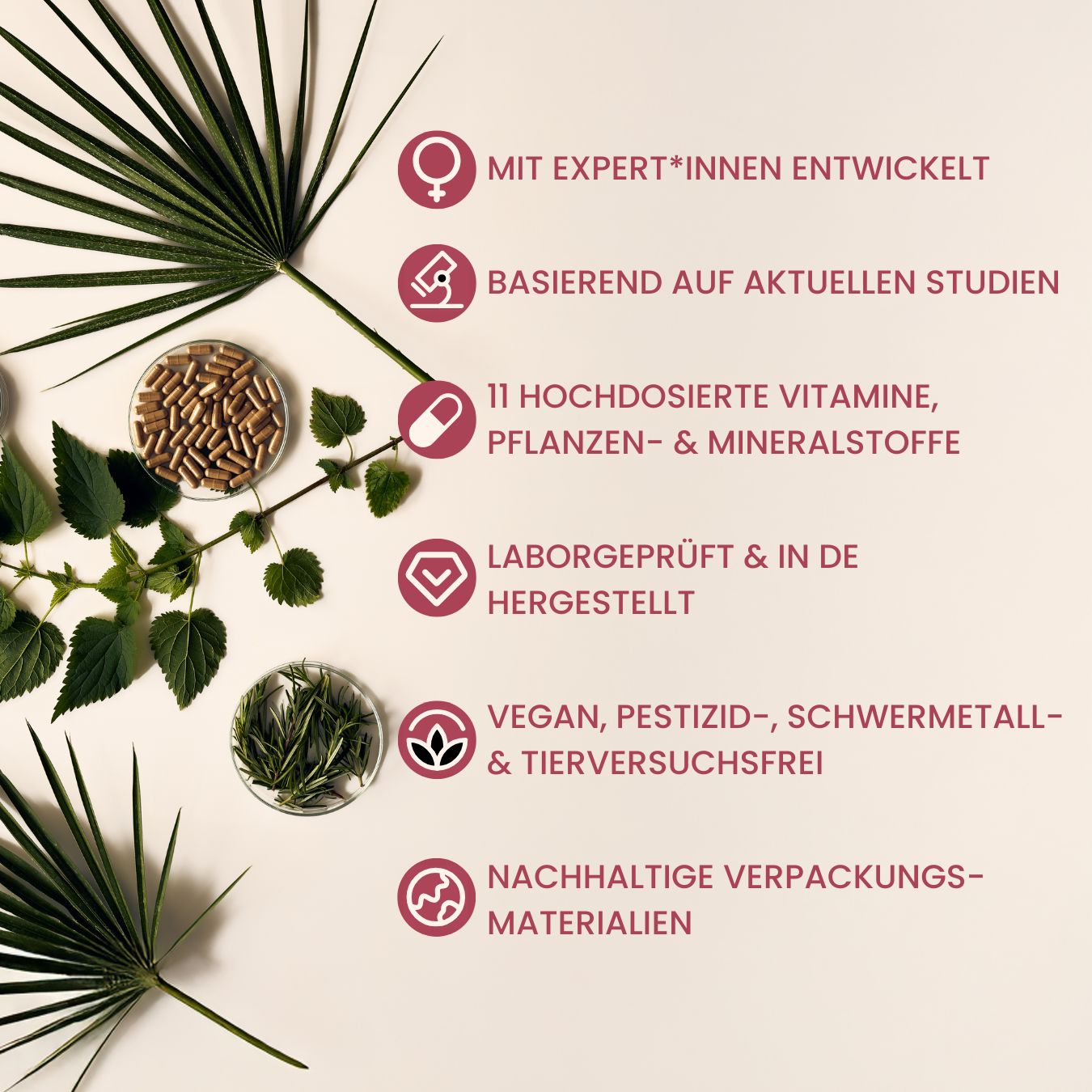
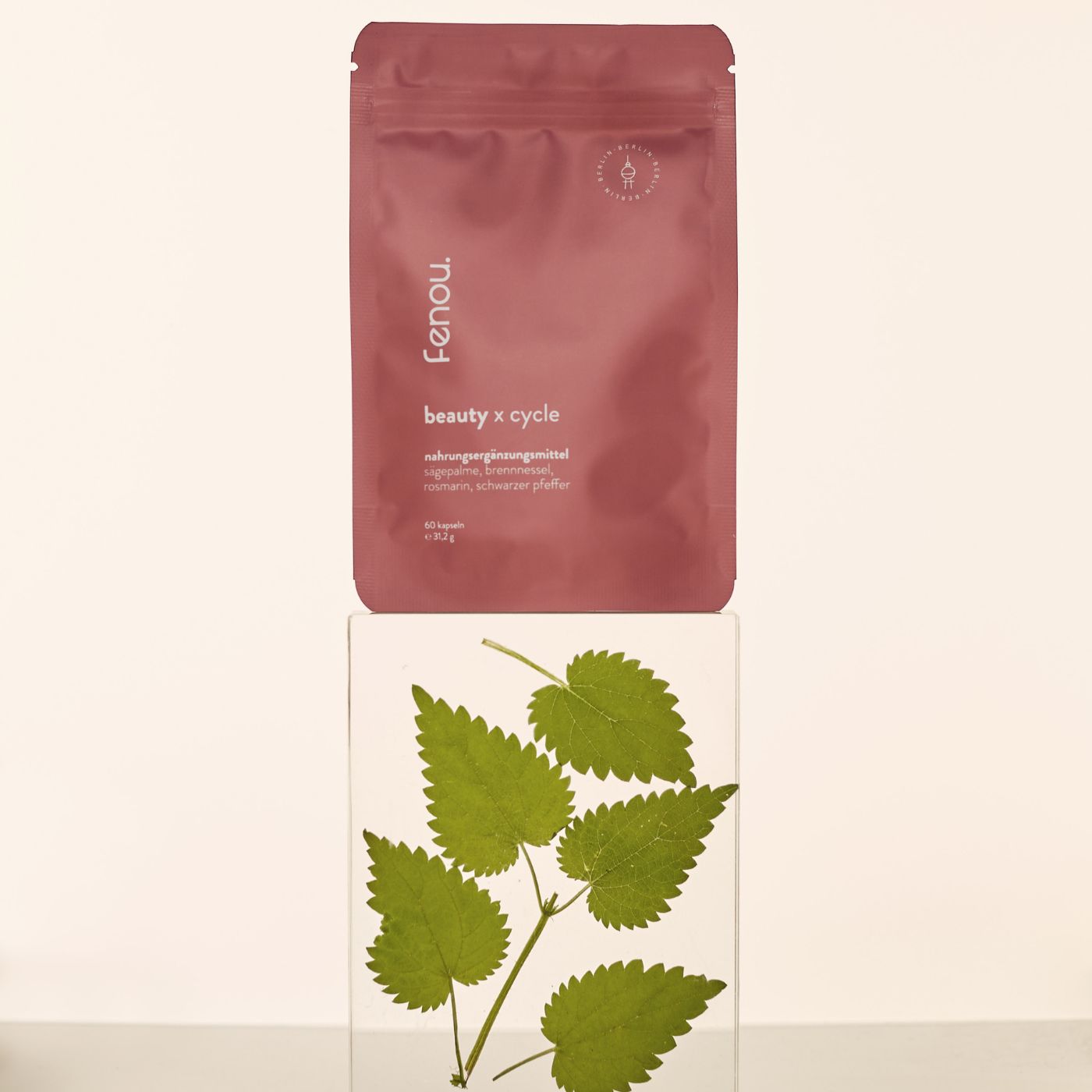
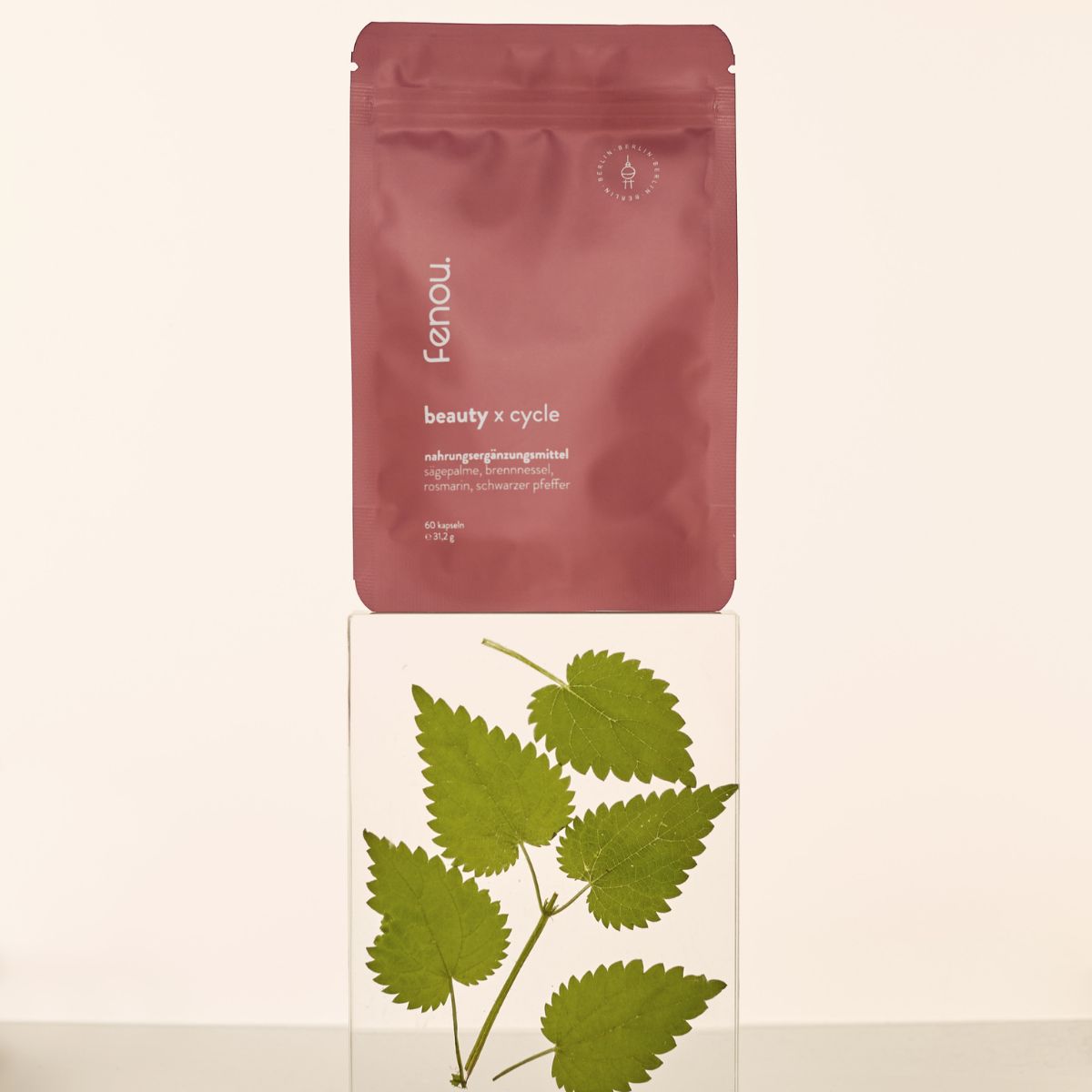
beauty combines the most effective plant compounds against excess testosterone. The unique formula combines all the important ingredients.
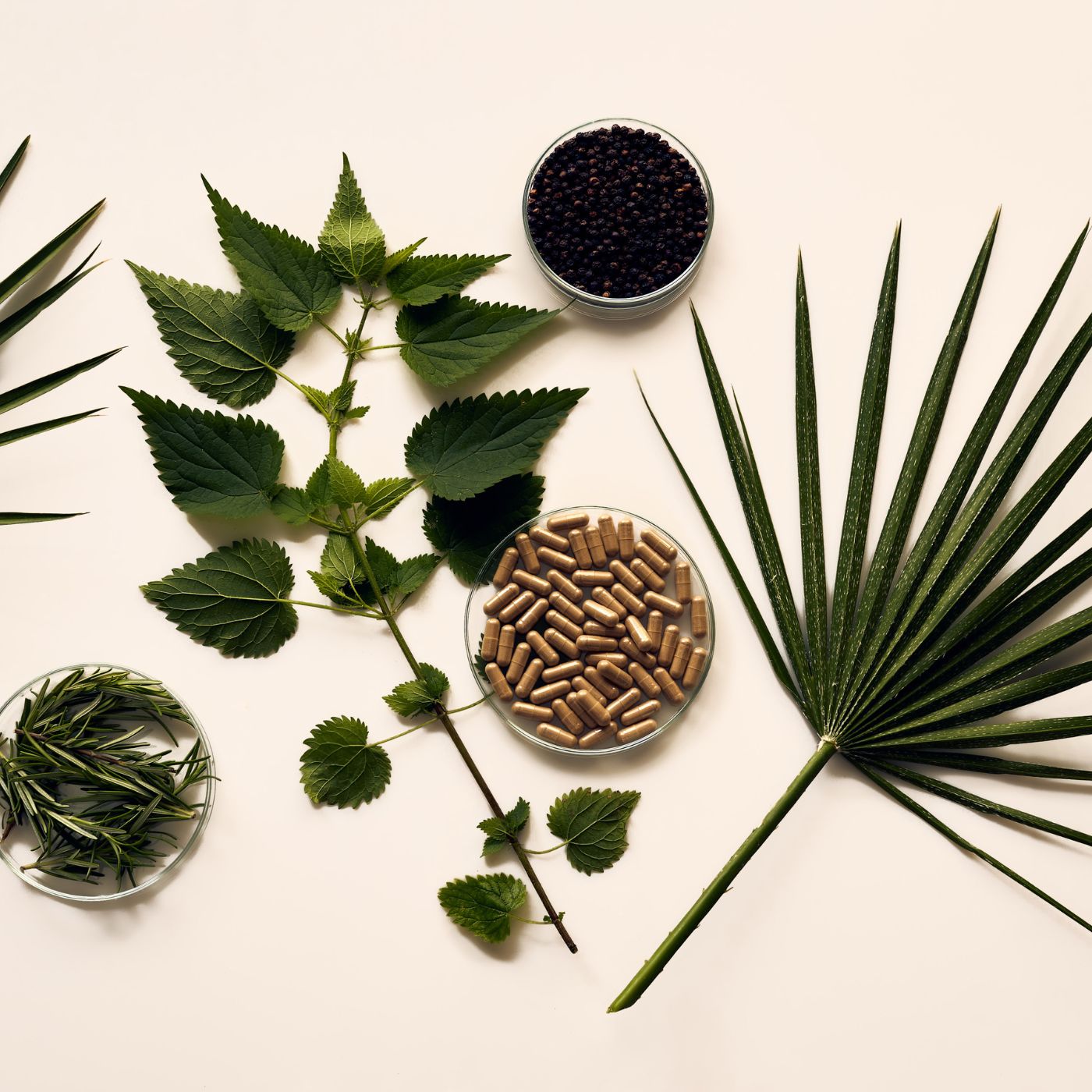
Saw palmetto fruit extract, nettle root powder, and rosemary leaf extract complement each other optimally. The essential micronutrients zinc, pantothenic acid, and vitamin B6 round off the formula.
Measuring success and realistic expectations
fenou founder Nina suffered greatly from hormonal acne, among other things, after stopping the pill. After intensive research and an unsuccessful search for effective remedies, Nina decided to simply develop her own miracle cure - the idea for beauty was born and her hormonal acne was history.

First improvements after 4-6 weeks
Hormone balance is a process, not a sprint. Fewer new acne breakouts are often the first signs.
Energy stabilizes over the day. Sleep quality also improves noticeably.
Medium-term successes after 8-12 weeks
Significantly less hair loss becomes visible. Skin texture improves continuously.
Cycles become more regular and predictable. Our customers report the first visible successes.
Long-term changes after 3-6 months
Regrowing hair becomes visible. The hormonal balance stabilizes sustainably.
Quality of life increases noticeably. Self-confidence and well-being increase.
Summary: Your path to hormonal balance
The most important findings at a glance: Excess testosterone is more common than thought. It occurs especially after stopping the pill and with PCOS.
DHT is the real culprit - not testosterone itself. A holistic approach of lifestyle optimization and targeted plant support is most effective.
beauty offers you the optimal combination of scientifically sound ingredients. Patience is the key - hormone balance takes time.
With the right strategies, you can naturally lower testosterone levels in women and feel completely comfortable again.
FAQ: Frequently asked questions about excess testosterone
How long does it take for elevated testosterone levels to normalize? With consistent implementation, the first improvements show after 8-12 weeks. Sustainable changes need 3-6 months. Hair loss takes the longest time, as hair follicles need to regenerate.
Can I combine beauty with hormonal contraception? Hormonal contraception influences testosterone metabolism. Discuss changes with your gynecologist. However, the plant-based ingredients in beauty are well tolerated.
Which blood values should I have tested? Free testosterone, SHBG, DHEA-S, LH, and FSH give a complete picture. Insulin, fasting glucose, and vitamin D are also important. Total testosterone alone is not very meaningful.
What if I don't feel any improvement after 12 weeks? Every body reacts differently fast. Check your lifestyle factors like sleep, stress, and diet. If problems persist, you should seek medical help.
Are the effects permanent? Yes, if you maintain a hormone-friendly lifestyle. The plant-based active ingredients in beauty support your body long-term. They help to maintain the hormonal balance.
Can excess testosterone lead to infertility? Elevated androgens can disrupt ovulation. This can affect fertility. The good news: These effects are usually reversible when testosterone levels return to balance.