


Menstrual cycle fluctuations, skin and hair problems, period pain and PMS - these are just a few of the consequences of hormonal imbalance. Your gynecologist will often offer the contraceptive pill as a solution. But you want to address hormonal balance naturally before resorting to medication. Then read on!
Contents:
Natural hormonal balance - our tips
Here are some areas of your life you should consider if you want to address hormonal balance naturally.
Sugar consumption
Refined sugar and short-chain carbohydrates, such as those found in sweets, convenience food, syrups or soft drinks, cause blood sugar to rise rapidly. Insulin is released to lower it. Unfortunately, persistently elevated insulin levels can lead to insulin resistance, which in turn affects the function of the adrenal glands. This can affect your cortisol levels and the production of sex hormones.
Avoid:
- Table sugar, syrups (e.g. glucose-fructose syrup)
- Refined flour products
-
Highly processed snacks and soft drinks
What helps:
-
Wholesome meals with protein, fat and fiber – this keeps blood sugar stable.
-
Alternatives to refined sugar and sweets such as dates, erythritol or dark chocolate from 85%
Tip: Try to make high-sugar breakfasts (e.g. with cornflakes, fruit juice, pancakes with maple syrup) the exception – they will send your hormones on a roller coaster ride.

Food intolerances
Intolerances, e.g. to gluten, lactose or histamine, trigger silent inflammation in the body. This puts a strain on the immune system and especially on the gut, which is involved in the balance of hormones. A damaged gut, for example, produces less serotonin, which adversely affects mood and sleep quality. The so-called oestrobolome is also involved in regulating the oestrogen balance. Furthermore, chronic inflammation leads to functional disorders of the hormone-producing thyroid gland and ovaries.
Do you frequently notice skin blemishes, chronic fatigue, headaches or a bloated stomach? Then it is worth looking for intolerances.
Here is how you go about it:
Keep a food diary and monitor your symptoms.
Do you have a suspicion? Then cut out the food in question for a few weeks. Professional help can be very advisable here.

Healthy diet
Your diet has a direct impact on your hormone production, as it provides nutrients that are essential for metabolic functions or the function of the hormone-producing or recycling organs. These include macronutrients, but especially vitamins and minerals.
Healthy fats (e.g. avocado, nuts, seeds and oilseeds): support the formation of sex hormones.
Fiber (e.g. flaxseed, oats, vegetables): helps break down excess hormones such as oestrogen and supports gut health.
Carbohydrates from whole grains and vegetables: keep blood sugar levels stable – important for insulin and cortisol.
Selenium (e.g. Brazil nuts, legumes, green leafy vegetables): is essential for the healthy function of the thyroid gland.
Vitamin B5 (e.g. oats, legumes, green leafy vegetables): is part of the synthesis and metabolism of steroid hormones, which also include sex hormones.
Vitamin B6 (whole grain products, potatoes, nuts): is involved in regulating hormone activity.
Zinc (whole grains, nuts, green leafy vegetables): is involved in maintaining normal testosterone levels in the blood.
Tip: Start the day with a high-fiber breakfast, e.g. porridge with flaxseed and berries. Try to reduce your coffee consumption.

Exercise
Sports and physical exercise are a cornerstone of a healthy lifestyle and if you want to address hormonal balance naturally. The important thing here is moderation, because too much or too intense exercise is a stress stimulus. The right amount, on the other hand, is useful for the hormone balance, e.g. of insulin or oestrogens.
Ideal for hormonal balance:
-
Moderate full-body strength training (2–3 times per week), supplemented by endurance training
-
Yoga or gentle stretching
- Walking or exercising outdoors—30 minutes daily

Stress management
Cortisol, the stress hormone, throws your hormonal system out of balance if it remains elevated for extended periods. That is why stress management is essential, even if it is not always the easiest area to address.
Practical tips:
10 minutes of daily meditation or breathing exercises
Nature walks
Regular digital breaks
Avoid dietary stressors, such as caffeine
Studies show that daily mindfulness exercises, meditation, or breathing exercises can measurably lower cortisol levels, sometimes with just a few minutes daily and as early as after 4 days.

Endocrine disruptors
Endocrine disruptors are chemical substances that mimic or block your hormones. They are found in many everyday products such as cosmetics, plastics, cleaning products, and even in the air, and can affect your hormonal balance. They can lead to cycle irregularities and lower fertility and thyroid function.
Examples of endocrine disruptors:
-
Bisphenol A (BPA): in plastic bottles, canned goods
-
Parabens: in creams and shampoos
-
Phthalates: in fragrances, nail polish, softeners
How to reduce endocrine disruptors in everyday life:
- Use glass or stainless steel instead of plastic (especially for drinks and hot food).
- Avoid metal cans.
- Buy organically grown food.
- Use natural cosmetics or organic cleaning products.
-
Buy second-hand or eco-friendly clothing.

Sleep hygiene
During sleep, stress hormones are broken down, among other things, and hormone production is regulated. Sleep deprivation throws the system out of balance and can intensify or even trigger a hormonal imbalance.
Tips for better sleep:
- No screen light 1 hour before bedtime
- Regular bedtimes (even on weekends!)
- Magnesium- and protein-rich dinner (e.g., green vegetables, almonds)
- Dinner with enough time before bedtime (at least 2 hours)
- Fresh air and a cool sleeping environment

Plant-based helpers
Certain plant compounds have a beneficial effect on various processes in your body, including your hormonal balance and stress resilience.
For example, adaptogens are plant compounds that help the body cope better with stress—and promote hormonal balance.
Particularly popular adaptogens:
- Ashwagandha: lowers cortisol, supports the thyroid
- Chasteberry: regulates the cycle, supports ovulation
- Maca root: provides energy and has a balancing effect on estrogen/progesterone
Phytohormones such as phytoestrogens or phytoprogesterone have a similar effect in the body to the body's own hormones and can therefore support the regulation of hormonal imbalances.
Popular plants containing phytohormones:
- Black cohosh
- Red clover
- Soy
- Yam root
-
Grape hyacinth
Note: Always pay attention to quality – preferably organic quality and in consultation with a naturopath.
Our recommendation for optimized and uncomplicated support
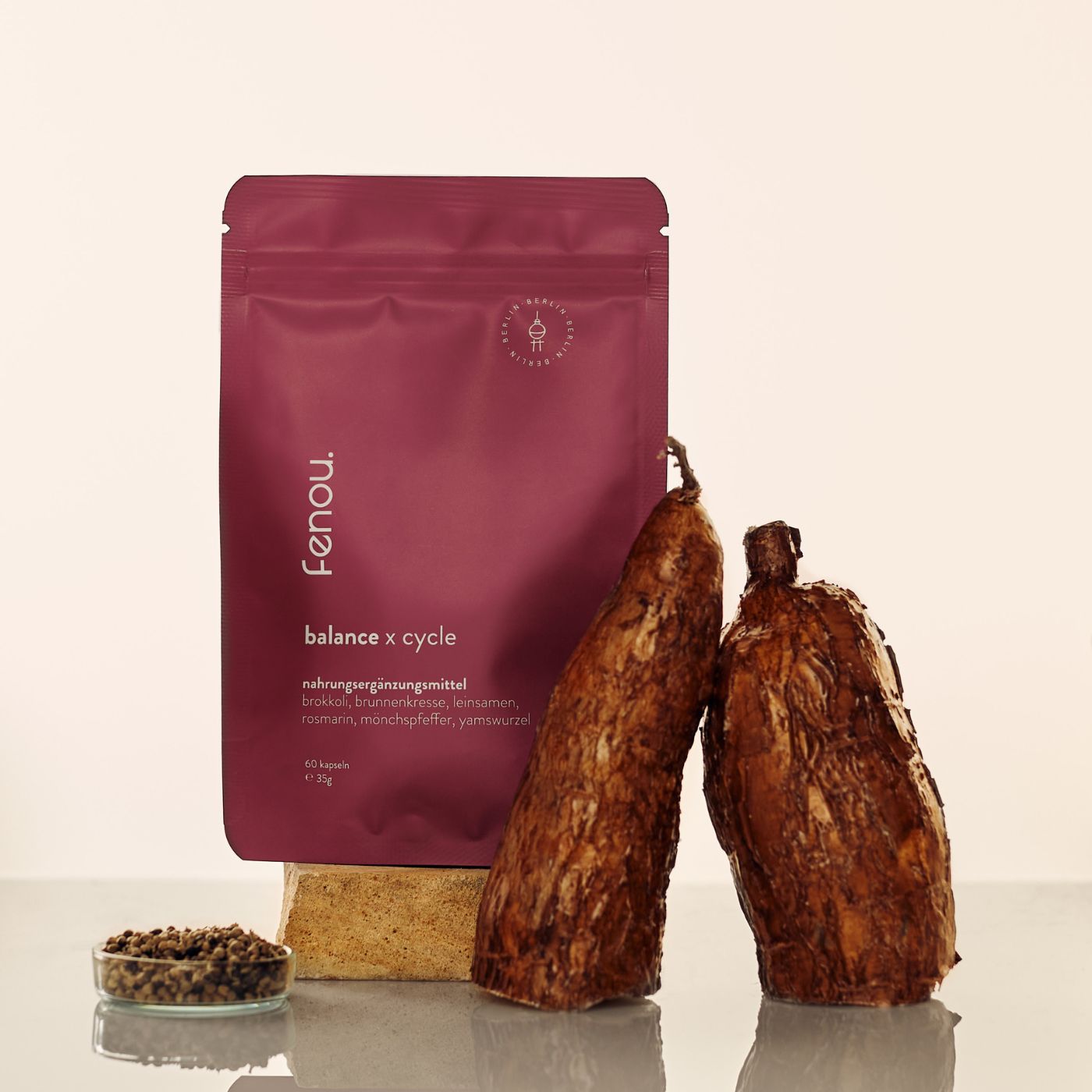
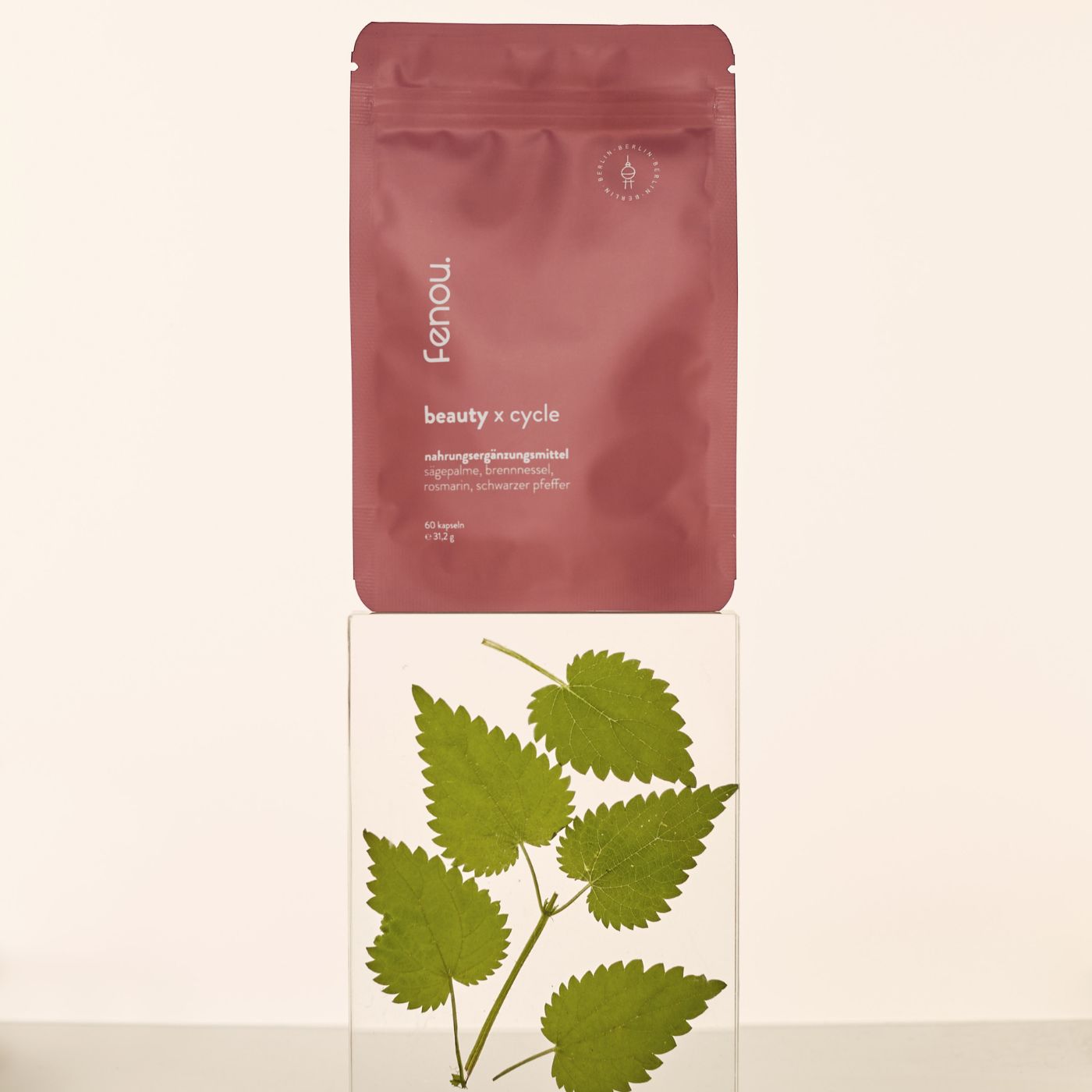
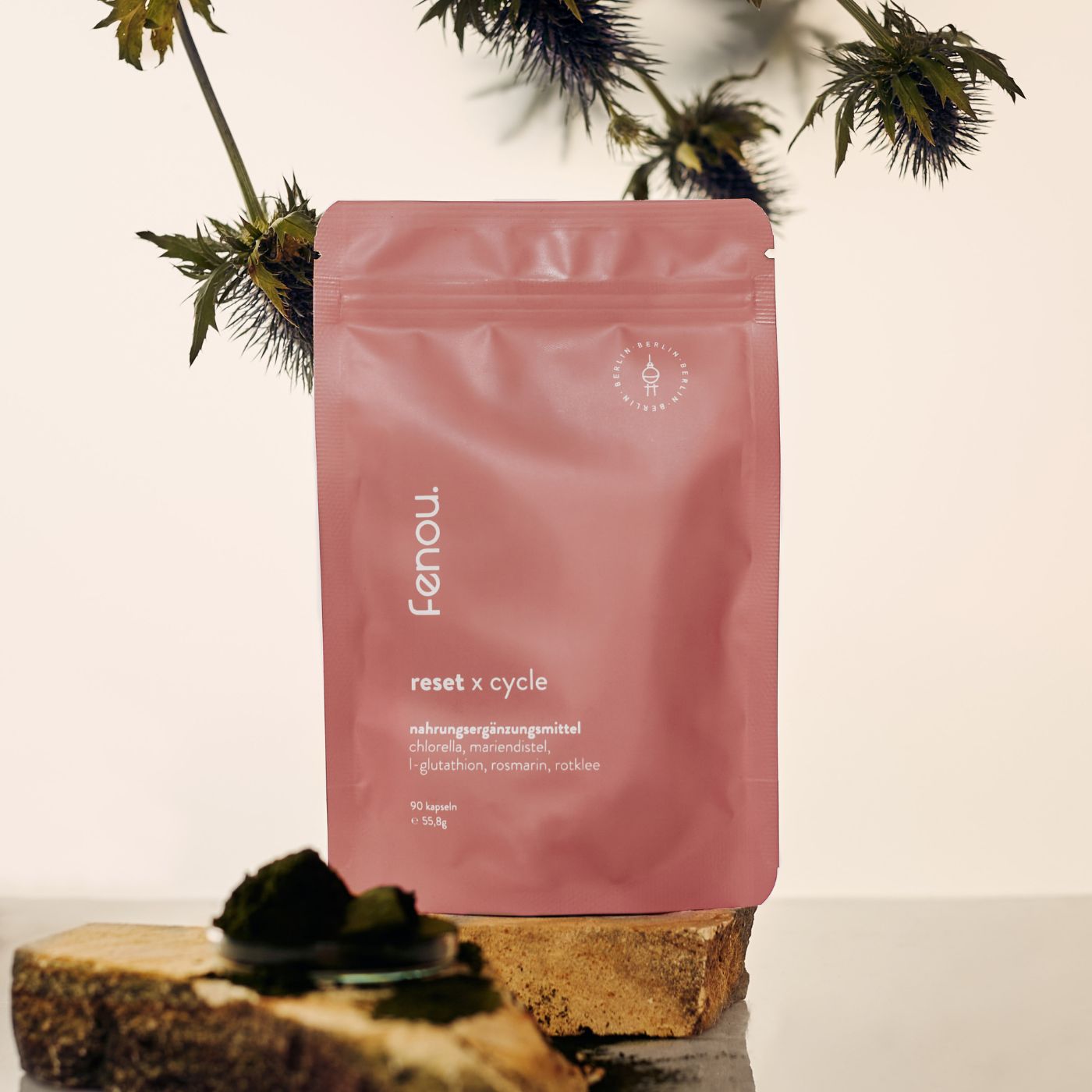
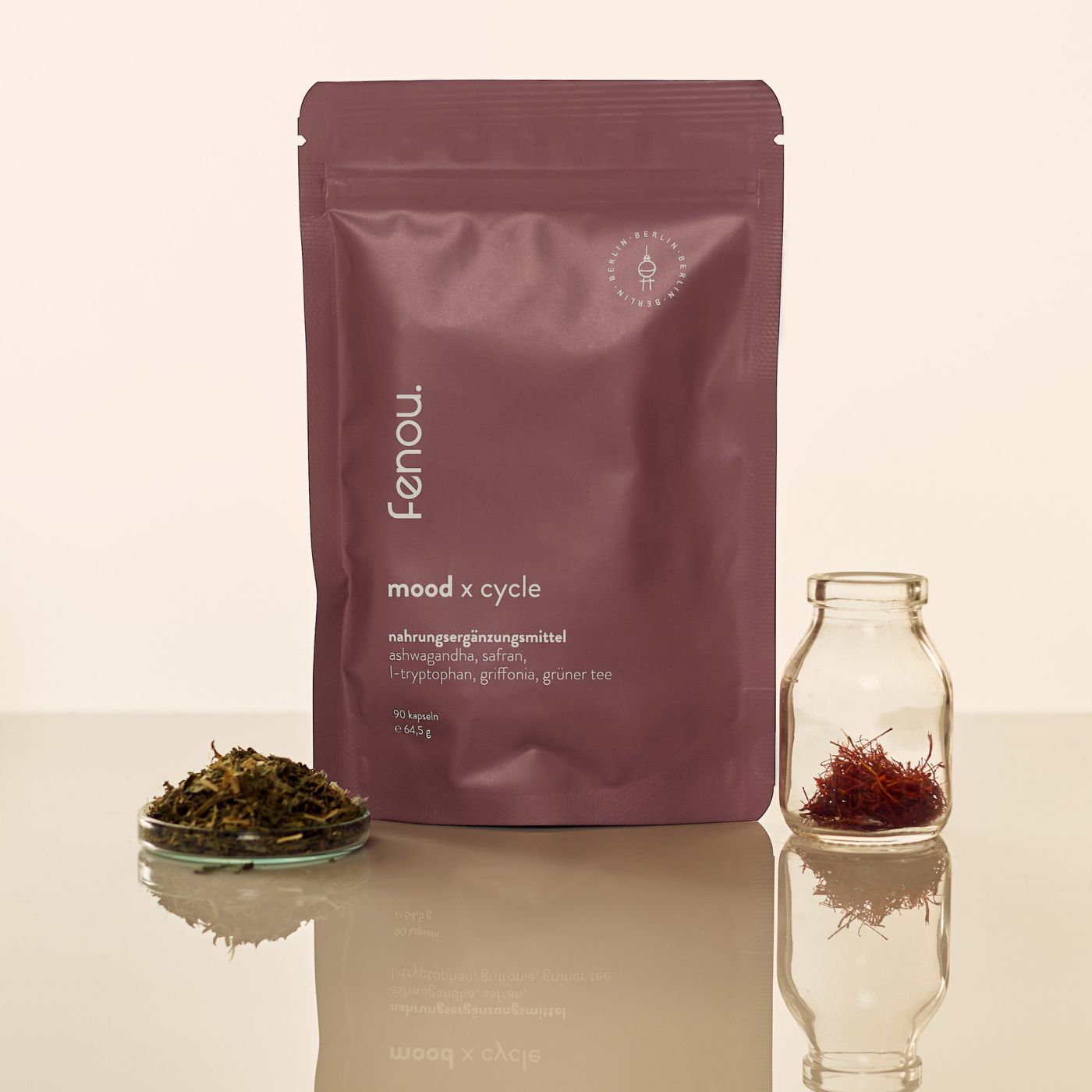
Or you can turn to our products, which were carefully developed together with doctors and nutrition scientists to precisely address your hormonal imbalance.